Helping robots perceive space and understand the world

Vision-based spatial perception
01

Vision-based spatial perception

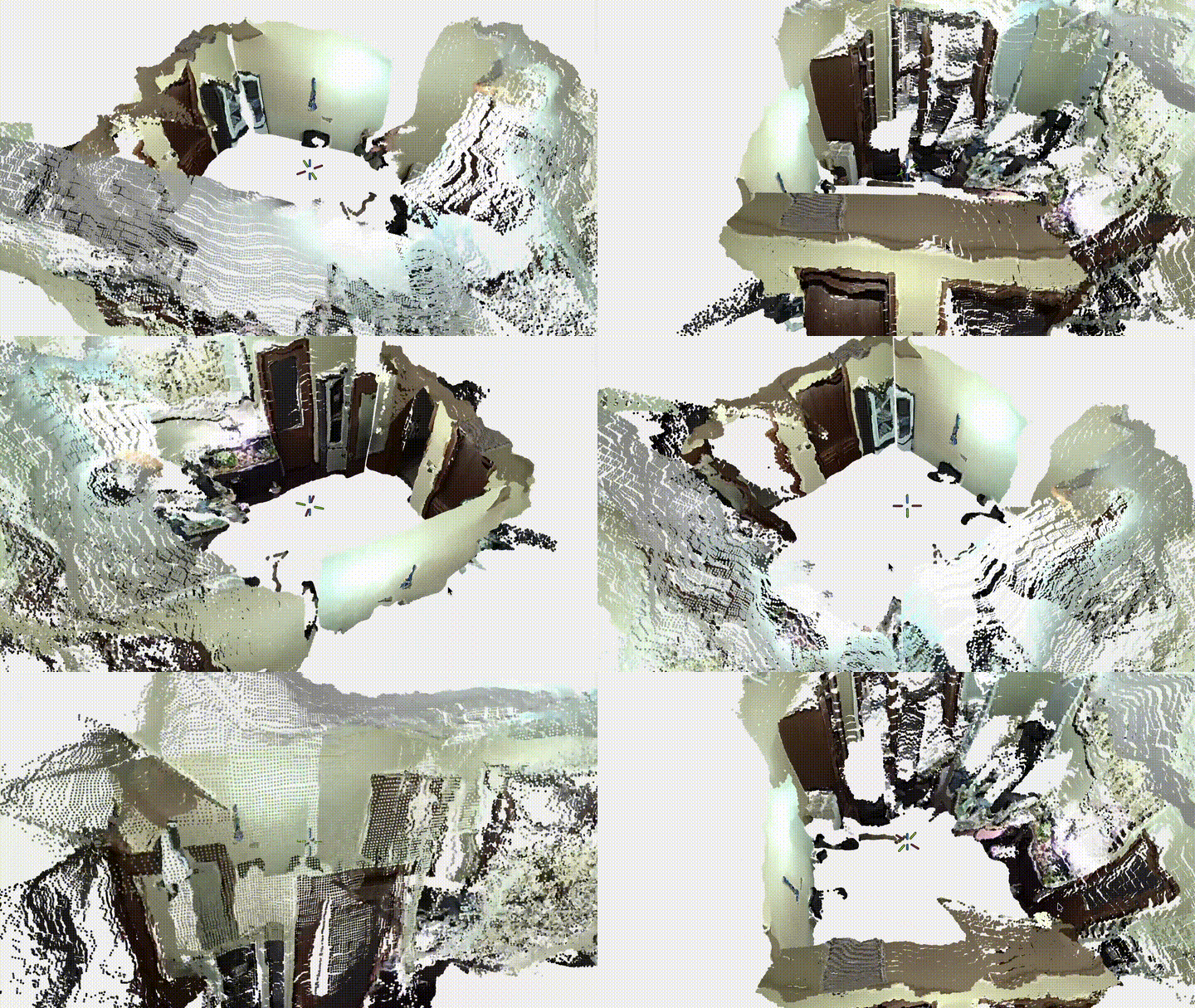
Our multi-camera fisheye architecture delivers 360° visual spatial perception, including omnidirectional depth estimation, visual point clouds, spatial structure understanding and obstacle sensing. Compact, cost-effective and flexible to deploy, it provides a reliable perception foundation for robots and intelligent devices.

Reliable multimodal navigation
02

Reliable multimodal navigation

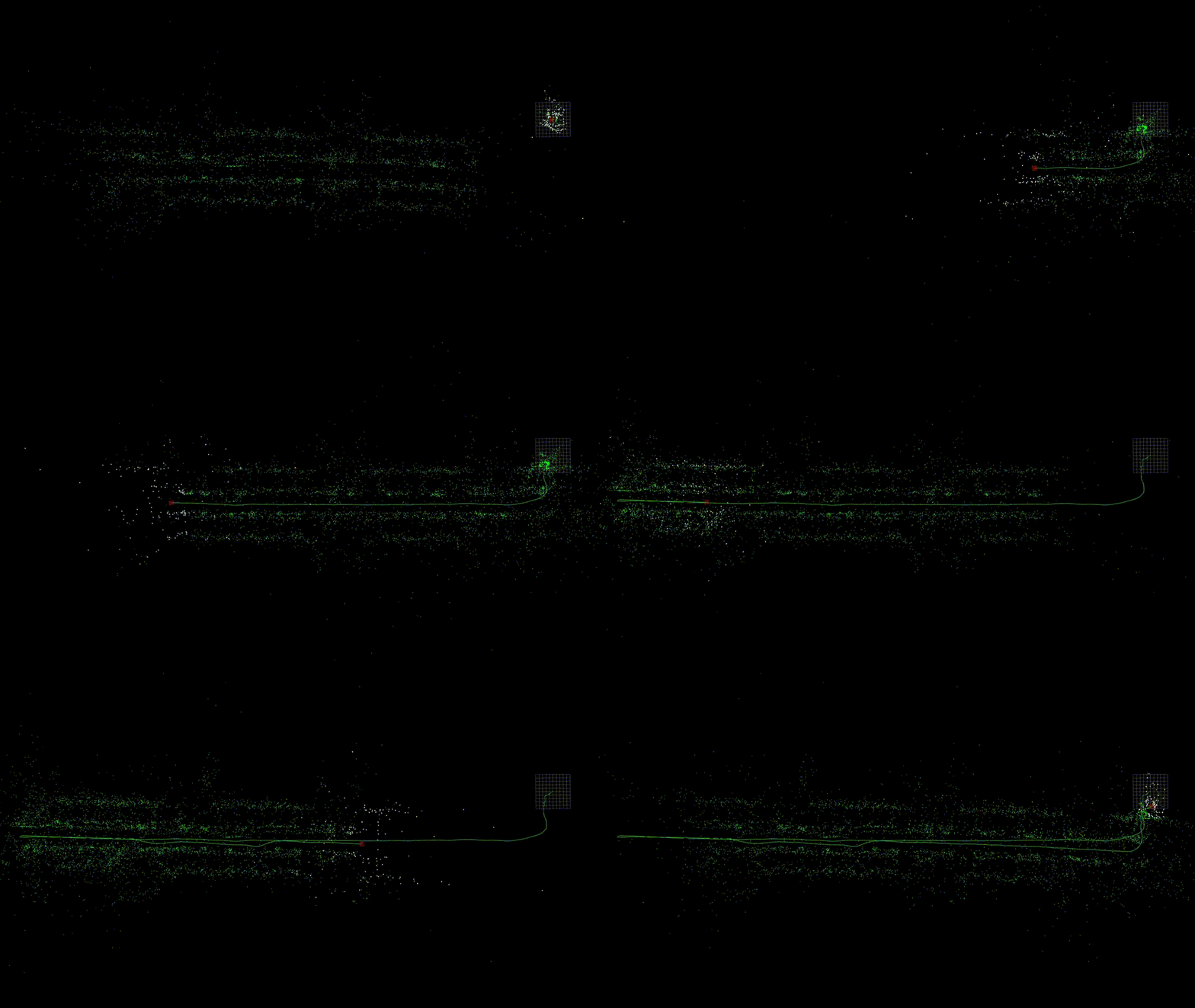
By combining omnidirectional vision, depth perception, VIO localization, object detection and semantic segmentation, we build multimodal navigation for autonomous robots. The system senses spatial structures, traversable areas, moving objects and changes in its own pose, supplying key inputs for obstacle avoidance, mapping, path planning and target following.

World action models
03

World action models

We explore world action models for embodied intelligence. Visual observations, spatial geometry, semantics, motion states and historical data form a unified representation of environmental structures, object relationships and changes. This helps robots move from passive sensing to active understanding, supporting complex task planning and autonomous decisions.

04

Memory foundation model for physical AI

Built around continuous memory, the model encodes environmental observations, task progress, actions and execution results as episodic memories in a shared spatial and temporal frame. Hierarchical compression and ongoing updates preserve key events, task state and past experience. Relevant memories are activated on demand according to the current location, goal and changes on site, supporting reasoning, planning and execution through fast and slow systems. After each action, results are verified and memories updated, helping robots check progress, adapt and resume long-horizon tasks after changes, interruptions or failed actions.